

For decades, credit card rewards programs were designed for a specific audience: consumers with high purchasing power, frequent travel spending, and a willingness to pay high annual fees in exchange for status, lounge access, and airline miles. The logic was always clear reward discretionary spending, not essential expenses.
Bilt decided to take a different path.
Founded in 2021, the payments and loyalty startup drew attention by offering something previously unheard of in the U.S. market: the ability to earn points by paying rent. Now, the company is expanding this proposal by including mortgage payments, while simultaneously launching three new credit cards and a hybrid rewards system that combines traditional points with a new internal currency, called Bilt Cash.
The promise is appealing: turning one of the largest monthly household expenses, housing, into a source of rewards. But execution is complex, and benefits vary significantly depending on the user’s financial profile. Before joining, it is essential to understand how the system works, what the hidden costs are, and who is actually likely to benefit.
What is Bilt and why it stands out in the rewards market
Bilt positions itself less as a card issuer and more as a payments and loyalty platform. From the beginning, its key differentiator was allowing users to earn points not only with a specific card, but also by linking existing credit or debit cards and making everyday payments within the company’s ecosystem.
Today, Bilt brings together around 45,000 commercial partners, including local restaurants, gyms, pharmacies, mobility services, and major brands. The core idea is to create a rewards program tied to where consumers live, their neighborhood, their building, their routine, rather than just occasional travel.
This logic remains in the new model, now extended to homeowners.
How rewards work for rent and mortgage payments
Until recently, the system was relatively simple: users could earn one point per dollar paid in rent, as long as they made at least five monthly transactions with the Bilt card. This requirement even became a joke among users, who made repeated small purchases just to meet the criteria.
With the expansion to mortgages, the system has become more sophisticated and more demanding.
Now, points tied to housing expenses only begin to accrue after the user reaches a minimum spending threshold on everyday purchases. Instead of direct points, the process goes through an intermediate cashback stage, which can later be converted into points or credits.
In practice, the model works like this: the user receives 4% cashback on qualifying purchases. For every US$30 accumulated in cashback, it is possible to convert that amount into 1,000 Bilt points, which can be used to offset rent or mortgage payments, or redeemed within the platform’s ecosystem.
It is a system that requires calculation. For those who concentrate significant spending on the card, the return may make sense. For users with more modest monthly expenses, reward accumulation tends to be slow.
Bilt Points and Bilt Cash: two currencies, two objectives
One of the main innovations of the program is the introduction of Bilt Cash, which operates alongside traditional Bilt Points. For every 25,000 points accumulated, the user receives US$50 in Bilt Cash, which can be used as direct credit with platform partners, such as ride-hailing services or meals at participating establishments.
Bilt Cash does not replace points. It is an additional benefit, with annual limits and specific expiration rules. The accumulation cap is US$100 per year, and balances can be carried over to the following year only under certain conditions.
The model reflects an attempt to make the system more tangible for users who do not intend to redeem points for travel, offering rewards for immediate use.
Bilt’s new credit cards
To support this ecosystem, the company launched three cards, each aimed at a different consumer profile.
Bilt Blue, with no annual fee, offers one point per dollar spent. It is the entry point to the program and serves users who want to test the system without additional financial commitments.
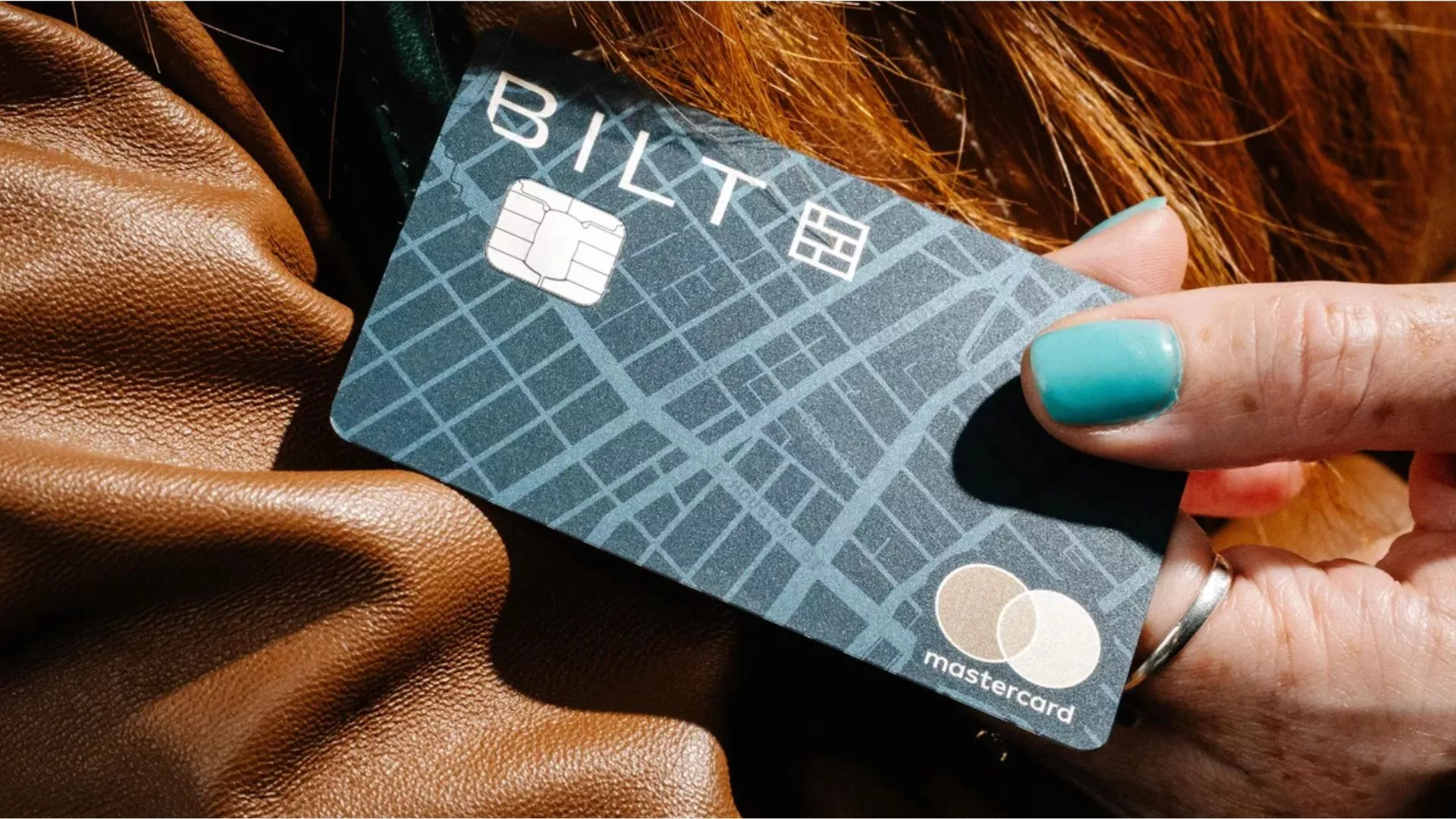
Bilt Obsidian, with a US$95 annual fee, expands benefits by offering three points per dollar at grocery stores and restaurants (with annual limits), two points on travel, and one point on other expenses. It is an intermediate option, aimed at urban consumers with regular spending in these categories.
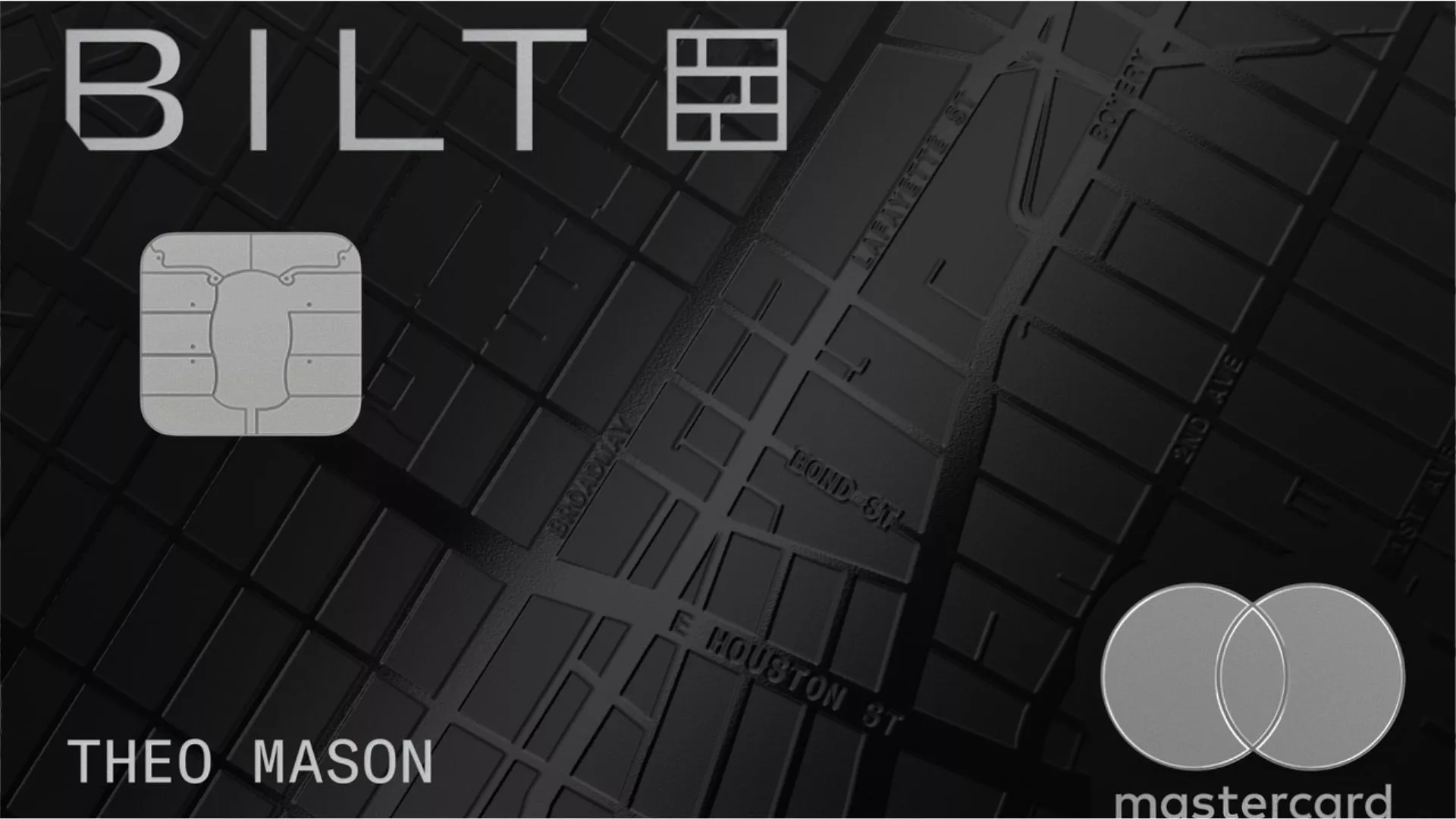
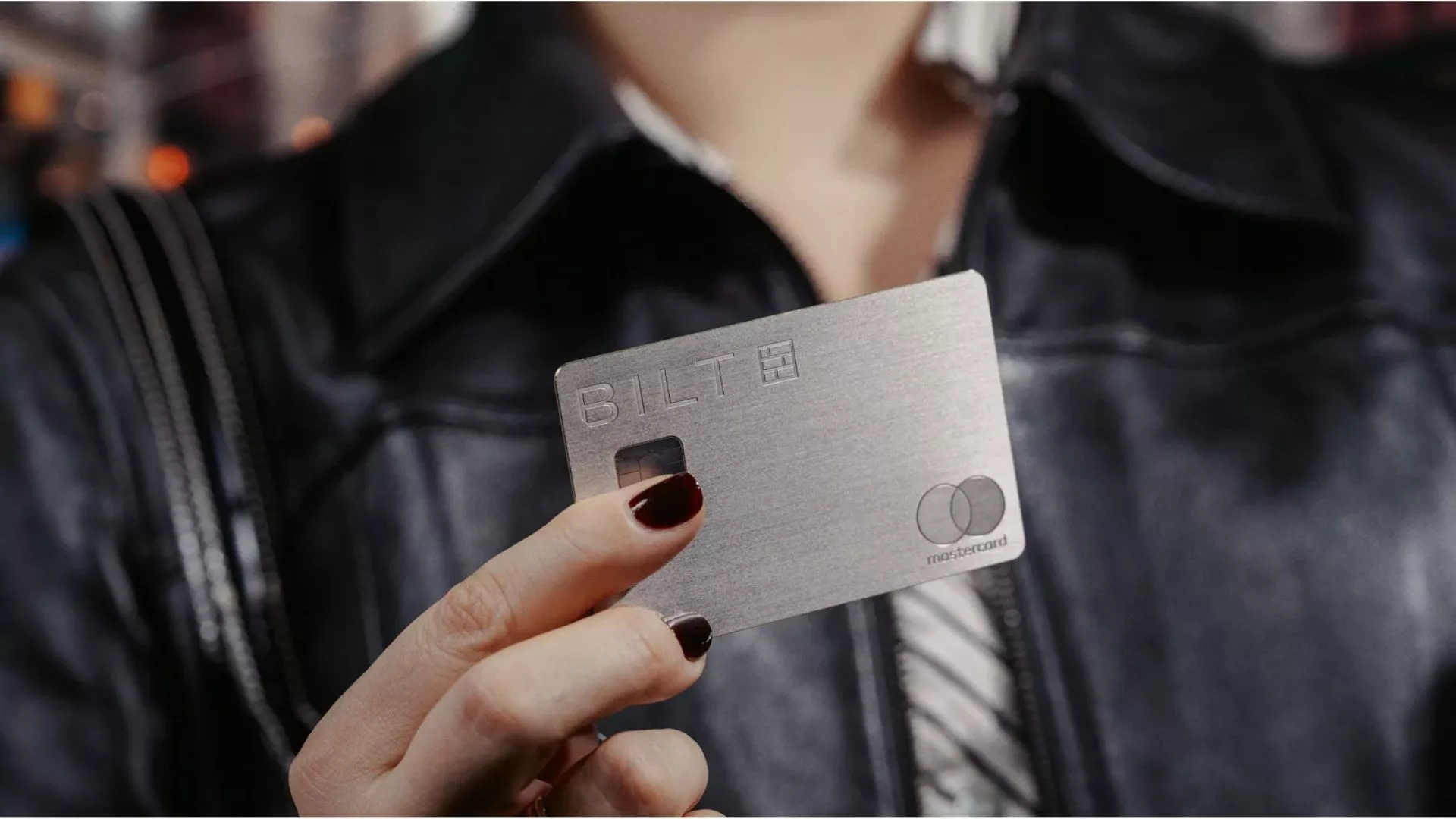
Bilt Palladium, with a US$495 annual fee, enters the premium card territory, competing with established market products. It offers additional benefits, more robust sign-up bonuses, and greater reward-earning potential, but only tends to be worthwhile for those who truly use the card as their primary payment method.
Does paying a mortgage with Bilt generate interest?
No. Although the system is linked to a card, the mortgage payment does not go through the credit limit nor generate revolving balances. Bilt acts as a payment intermediary, debiting the amount directly from the user’s bank account and forwarding it to the financial institution responsible for the loan.
In this sense, the model is more similar to a bill payment platform than a traditional credit card purchase. Still, it is essential to monitor transactions and confirm that payments are being processed correctly, especially in a relatively new system.
Is it safe to trust essential payments to a startup?
Bilt has been operating rent payments for years, including issuing physical checks when necessary. Still, any financial innovation involves operational risks. The company itself acknowledges that more conservative users may prefer to wait through the first few months of the new system’s operation before migrating payments as critical as a mortgage.
The company’s argument is that large property managers and financial institutions already trust Bilt to process payments at scale, which, in theory, reduces the risk of systemic failures.
Is the model sustainable in the long term?
This is the question that hovers over any generous rewards program. Historically, loyalty programs tend to become less advantageous as they mature, whether through higher annual fees, point devaluations, or usage restrictions.
At the moment, Bilt appears focused on rapid growth, supported by robust investment and a high market valuation. The company is funded through commercial partnerships, card revenues, and agreements with property owners and financial institutions.
Nothing guarantees, however, that current conditions will remain unchanged in the future. For consumers, this means the program may be advantageous now, but it requires constant monitoring.
Who does the program really make sense for?
Bilt’s new program tends to benefit mainly consumers who concentrate a large portion of their monthly spending on a single card, pay rent or a mortgage regularly, and are able to pay their statements in full, avoiding interest.
For occasional users or those with low spending predictability, the system may feel more complex than beneficial.
As with any financial decision, the determining factor is not the promise of points, but the math behind them. Earning rewards by paying for housing is a powerful idea. Using it well requires attention, discipline, and careful calculations.