

December is usually the month when the budget starts living on improvisation. Gifts, trips, holiday dinners, small purchases that seem harmless, and when you realize it, the credit card bill has turned into a second informal income. In this scenario, the search for a very specific term grows: best credit cards for balance transfers.
The idea behind this mechanism is simple and quite attractive, especially for those paying high interest on credit cards.
A credit card with balance transfer allows you to move debt from a card that charges high interest to another card that offers a promotional 0% interest rate (APR) for a set period. In other words, you swap an expensive debt for a temporarily interest-free one.
During this promotional period, all the money that would otherwise be spent solely on interest can be used to pay down the principal balance. This makes the balance actually decrease, rather than just revolving month after month.
When this type of strategy is well planned, the benefits are clear: you pay less overall, can pay off the debt faster, and reduce the risk of it growing uncontrollably like a snowball.
But “0%” is not forgiveness. It is a deadline. And deadlines have the cruel habit of arriving, even when life is chaotic.
What is a balance transfer and why it matters right now
A balance transfer works, in practice, like changing who you owe. Instead of continuing to pay the debt on your current card, you move that amount to a new credit card. In some cases, this transfer may also include other types of debt that the card accepts.
The main appeal of this operation lies in the terms of the new card. Typically, it offers an introductory 0% interest rate (APR) for a set period. In the most competitive market scenarios, this period can reach up to 21 months with no interest charged.
This means that during this time, the debt does not increase due to interest, allowing payments to actually reduce the amount owed, making control and payoff of the debt much more feasible.
In December, this becomes a hot topic for two reasons. First, many people enter the month already carrying balances. Second, part of year-end consumption is financed unintentionally: purchases are made on the card and only afterward comes the “I’ll deal with this later.”
A balance transfer credit card can be a bridge out of this situation, as long as you treat the process as a payment plan and not as emotional relief.
How balance transfer cards work in practice
The mechanics are simple, but the details are where the risk lies.
When you request a balance transfer, the new card issuer pays (in full or in part) the debt on the old card. From that point on, you owe the new card. The old card may end up with a zero balance (ideally), but that does not mean you should abandon it without checking that the transfer was completed.
There are three elements that determine whether a 0% interest balance transfer will work:
0% promotional interest period
This is the main benefit of a balance transfer. During this period, the card does not charge interest on the transferred amount. This period usually ranges from 15 to 21 months. The longer the time, the more breathing room you have to pay down the debt without it increasing due to interest.
Balance transfer fee
In most cases, this fee exists. It typically ranges from 3% to 5% of the transferred amount, and some cards also set a minimum dollar amount. This charge occurs right at the start of the operation and can reduce part of the benefit, especially if the transferred amount is low or if the debt is not paid off before the end of the promotional period.
Deadline to complete the transfer
Many issuers impose a deadline for the transfer to be made. Generally, it must be initiated or completed within a specific window, such as 60 to 120 days after account opening. If this deadline is not met, the card may cancel the 0% interest benefit, causing the debt to accrue regular interest.
If you ignore any of these three parts, the 0% can turn into mere decoration.
Best credit cards for balance transfers in December 2025
According to some research, these are the cards that appear with the clearest terms. I’ve separated a table below, which can help you decide more clearly and quickly, without falling into the trap of looking only at “how many months of 0%.”
| Promotional 0% APR | Applies to | Annual fee | Balance transfer fee | Window to transfer with promo | Relevant notes |
| 21 months | purchases and qualified transfers | US$ 0 | 5% (min. US$ 5) | up to 120 days | long 0% period; high transfer fee; includes cell phone protection (issuer rules) |
| 18 months | purchases and transfers | US$ 0 | US$ 5 or 3% (whichever is greater) | up to 60 days | credit limit growth offer with good behavior; good “middle ground” of term and fee |
| 15 billing cycles | purchases + transfers (conditions at opening) | US$ 0 | 3% in first 60 days; then 4% | up to 60 days | combines with cashback; shorter 0% period; may suit those who also want rewards |
| 15 billing cycles (as described) | transfers (specific conditions) | US$ 0 | US$ 5 or 5% | reference mentions credit within up to 45 days | more niche card; value lies more in the rewards ecosystem than in the “best 0%” on the market |
It’s important to keep in mind that the best balance transfer card is not just the one that gives the most months, but the one that allows you to finish the transfer at the lowest total cost, within your monthly budget.
Who tends to benefit most from each option
The Wells Fargo Reflect stands out for offering the longest 0% interest period: up to 21 months. This is appealing for those who need more time to organize payments, especially when income varies throughout the year. The downside is the 5% transfer fee, which can weigh heavily on large debts. For that reason, it usually makes sense only when the interest savings are much greater than this fee, or when the extra time prevents the debt from returning to interest before full payoff.

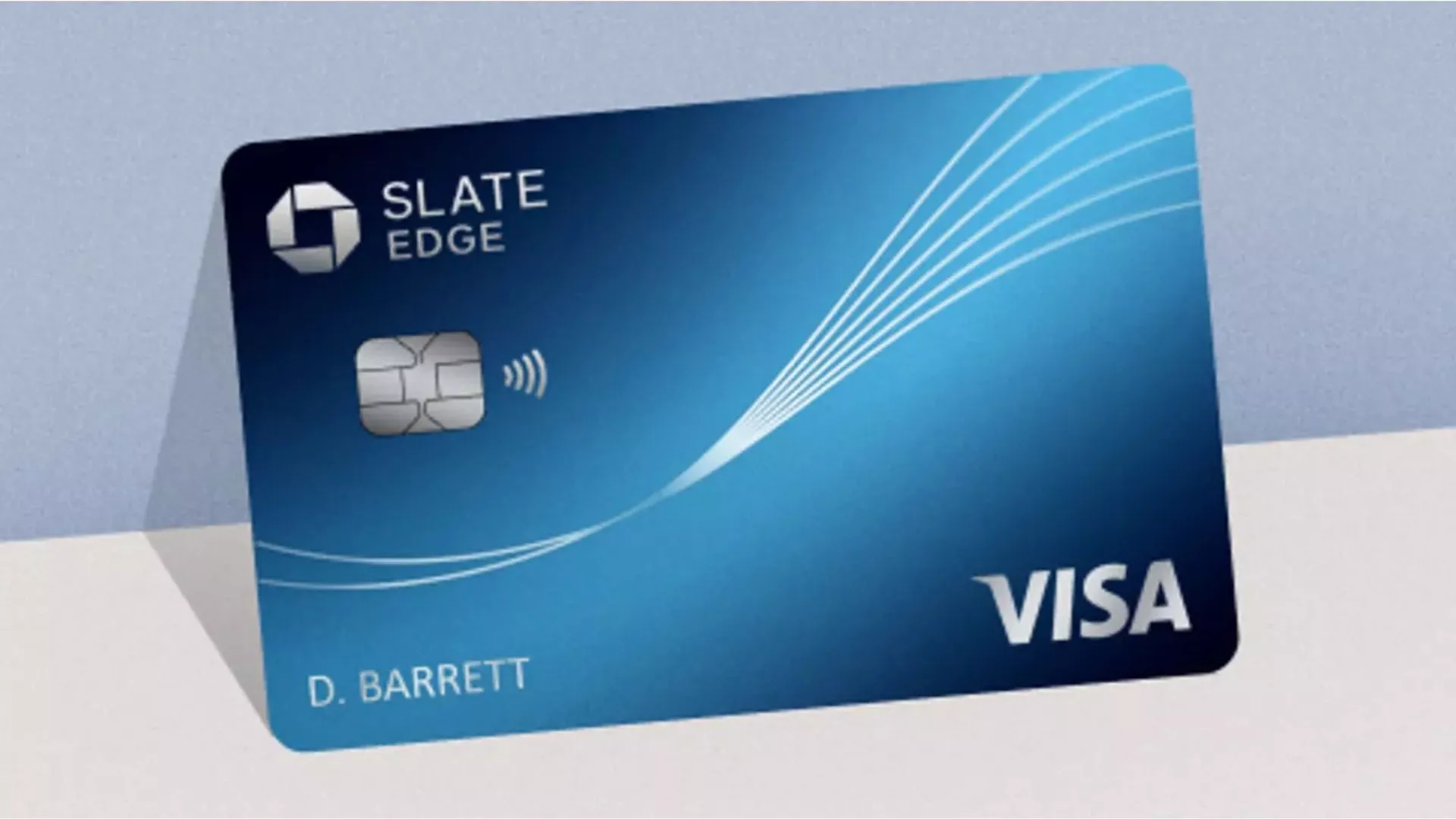
The Chase Slate Edge is often seen as a more balanced option. It offers 18 months of 0% interest and a lower transfer fee of 3%. For many people, this combination works better, especially when the goal is to pay off the entire debt within the promotional period, without paying a higher fee just to gain a few extra months.
The Bank of America Unlimited Cash Rewards works as an intermediate option. In addition to balance transfers, it offers cashback and bonuses, but the 0% interest period is shorter, at 15 billing cycles. It can work well if the debt is not very high and if there is capacity to pay larger monthly installments. Otherwise, the shorter term can become a risk, as the time to eliminate the debt passes more quickly.
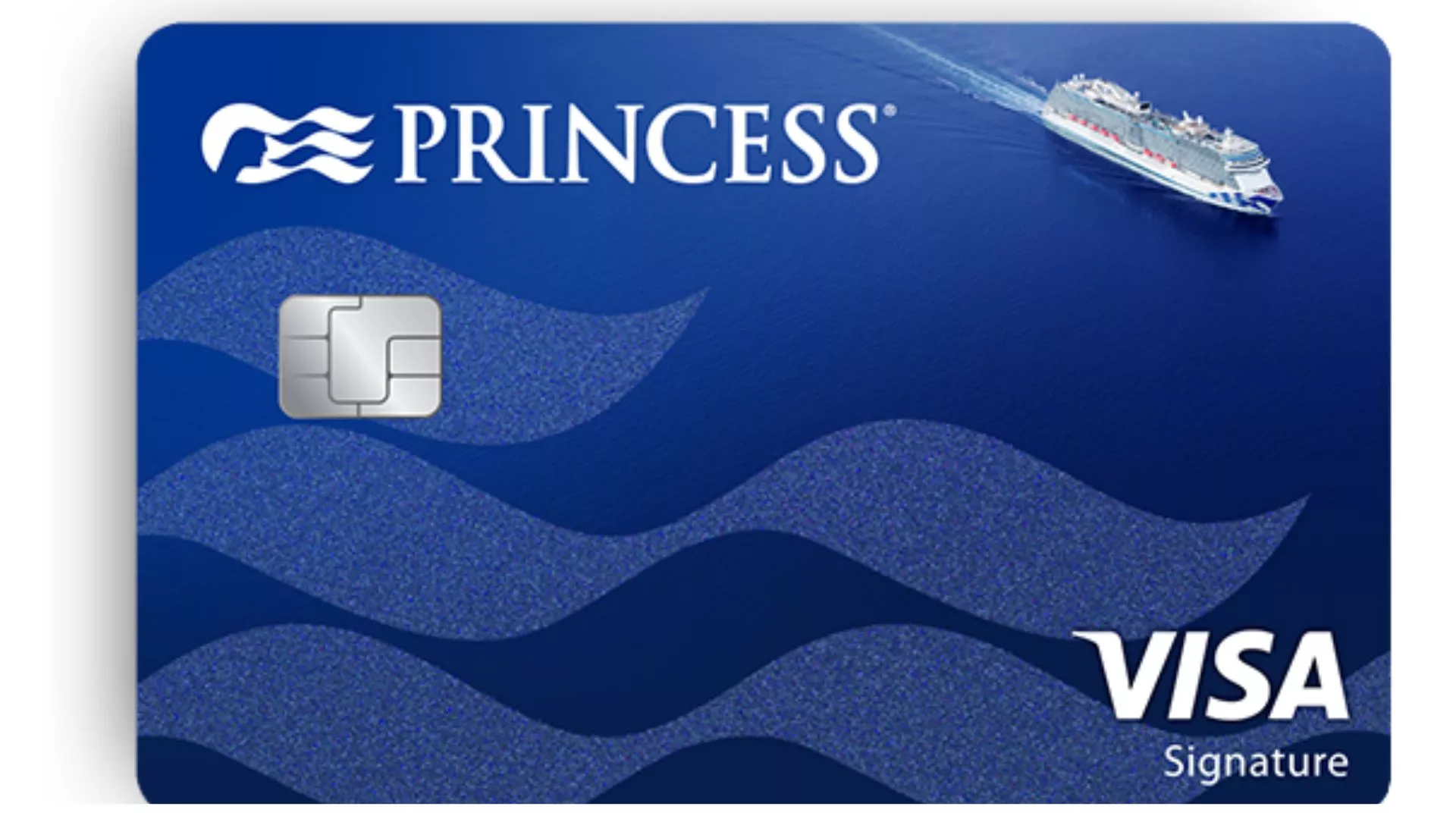
The Princess Cruises Rewards Visa is a more specific card. It can be a good choice for those who already use Princess benefits and rewards. Outside of that audience, however, it tends to be merely average, since it is not focused exclusively on balance transfers and usually has a higher transfer fee, which reduces its appeal for those seeking only to pay less interest.
The calculation that separates strategy from self-deception
There is plenty of content claiming that balance transfers help pay off debt, and that is true. However, what really determines whether this strategy will work is a simple and objective calculation: the monthly amount that must be paid to eliminate the entire balance before the end of the 0% interest period.
Without this clear calculation, the 0% benefit can be lost, and the debt risks returning to high interest at the end of the promotional period.
| Item | Amount |
| Transferred debt | US$ 5,000 |
| Transfer fee (3%) | US$ 150 |
| Total financed on the new card | US$ 5,150 |
| Promotional period | 21 months |
| Monthly payment to pay off on time | US$ 245.24 |
This amount is neither a suggestion nor a flexible estimate. It represents the mathematical reality of your payment plan.
When the monthly payment falls below this number, the balance transfer ceases to be a strategy to eliminate debt. In practice, part of the problem is merely postponed. When the regular APR returns, the remaining balance starts accruing high interest, and the cost of the debt can increase significantly.
Why so many people have problems with balance transfers, even using the “best card”?
In most cases, the failure is not in the card chosen, but in financial behavior after the transfer.
The most common scenario is predictable: the person transfers the debt, feels immediate relief, and goes back to using the old card “temporarily.” In other cases, they start using the new card for purchases, under the justification that it is already active. The result appears quickly: two debts emerge at the same time, the old one returns, and the new one stops decreasing at the planned pace.
Another frequent mistake is operational. A balance transfer is not instantaneous and can take days or even weeks to be completed. If the person stops payments on the original card before the balance is fully paid off, they risk incurring interest, penalties, and late payment records. In trying to improve their financial situation, they end up harming their own credit history.
There is also the risk related to contract terms. Many cards stipulate that the 0% benefit may be canceled in the event of late payment, credit limit overage, or failure to meet any condition. When this happens, what seemed like a smart plan quickly turns into an expensive loan, merely disguised as an advantage.
How to choose the best balance transfer credit card in December 2025
The most appropriate choice usually comes down to four objective questions, which help reduce impulsive decisions and keep the focus on what really matters:
Do you really need 21 months, or would 15 months be enough?
If 15 months fit your plan, it may not make sense to pay a higher fee just to have a term that will not be fully used.
What is the amount being transferred?
With higher debts, the difference between a 3% and a 5% transfer fee becomes a significant cost. At this point, the choice of card directly impacts the final amount paid.
Can you afford the monthly payment needed to pay off the debt within the term?
If the answer is no, the problem is not the card, but the mismatch between the payment plan and your current budget.
Do you have the discipline to avoid creating new debt during the process?
Without this control, the transfer stops being a solution and starts fueling a cycle of debt.
This is the central point of the topic. Balance transfer credit cards are tools, not automatic solutions. They do not do the work for you. They simply create the conditions for the debt to be paid with less interest, provided the plan is followed with discipline and within the established timeframe.
Conclusion: the “best card” is not the flashiest, it’s the one that solves the problem
In December 2025, the search for the best balance transfer credit cards reflects, for many people, an attempt to reorganize finances after periods of tighter consumption. And this search makes sense. A card with 0% interest on balance transfers, when used properly, can reduce costs, accelerate debt payoff, and contribute to improved credit health over time.
However, it is important to be clear: the right card does not replace a well-structured plan. Each option has a distinct profile. The Wells Fargo Reflect stands out for its longer term. The Chase Slate Edge for the balance between time and fee. The Bank of America Unlimited Cash Rewards for combining balance transfers with rewards. The Princess Cruises Rewards Visa works better as part of a specific ecosystem, and not as a universal solution.
The best card for you will be the one in which the combination of promotional period, transfer fee, and monthly payment amount builds a realistic path to a zero balance. When these three factors do not align, the strategy loses strength, regardless of the product’s name or promise.
Everything else is marketing. And December, by itself, already tends to have marketing in excess.